Exploring Beauty and Decay in Floral Still Life
- Jaimie Hughes
- May 18
- 4 min read
Floral still life paintings have captivated audiences for centuries, offering a glimpse into the delicate balance between beauty and decay. These artworks not only celebrate the vibrant colors and intricate forms of flowers but also serve as a poignant reminder of the transient nature of life. In this blog post, we will explore the significance of floral still life, the techniques artists use to convey their messages, and how these works resonate with contemporary audiences.
The Historical Context of Floral Still Life
Floral still life emerged as a prominent genre during the 16th and 17th centuries, particularly in Europe. Artists like Jan Brueghel the Elder and Rachel Ruysch became renowned for their ability to capture the essence of flowers in their natural state. These paintings often featured a variety of blooms, arranged meticulously to create a harmonious composition.
Symbolism in Floral Still Life
Flowers have long been associated with various meanings and emotions. In the context of still life, they often symbolize:
Beauty: The vibrant colors and intricate details of flowers celebrate nature's artistry.
Transience: The fleeting nature of blooms serves as a metaphor for the impermanence of life.
Mortality: Many artists included wilting or decaying flowers to remind viewers of life's inevitable end.
This duality of beauty and decay is a central theme in floral still life, prompting viewers to reflect on their own experiences with life and death.
Techniques Used in Floral Still Life
Artists employ various techniques to convey the beauty and decay of flowers in their still life compositions. Here are some key methods:
Composition and Arrangement
The arrangement of flowers is crucial in creating a visually appealing still life. Artists often use the following principles:
Balance: A well-balanced composition draws the viewer's eye and creates harmony.
Contrast: Juxtaposing vibrant blooms with wilting petals emphasizes the theme of decay.
Focal Point: Artists may choose a single flower or cluster as the focal point, guiding the viewer's attention.
Color and Light
Color plays a significant role in conveying emotions in floral still life. Artists often use:
Vibrant Colors: Bright hues evoke feelings of joy and vitality.
Muted Tones: Softer colors can create a sense of nostalgia or melancholy.
Light and Shadow: The interplay of light and shadow adds depth and dimension, enhancing the overall impact of the painting.
Texture and Detail
The intricate details of flowers are essential in creating a lifelike representation. Artists may focus on:
Petal Texture: Capturing the softness or fragility of petals adds realism.
Leaf Variation: Different leaf shapes and textures contribute to the overall composition.
Background Elements: Including objects like vases or drapery can enhance the narrative of the still life.
The Emotional Impact of Floral Still Life
Floral still life paintings evoke a range of emotions, from joy to sadness. The juxtaposition of beauty and decay invites viewers to contemplate their own lives and the passage of time. Here are some emotional responses commonly elicited by these works:
Nostalgia
Many viewers feel a sense of nostalgia when observing floral still life. The fleeting beauty of flowers often reminds us of moments in our own lives, such as:
Childhood Memories: Picking flowers in a garden or receiving a bouquet from a loved one.
Loss: The wilting flowers can symbolize the loss of loved ones or the passage of time.
Appreciation for Nature
Floral still life encourages viewers to appreciate the beauty of nature. The intricate details and vibrant colors can inspire:
Connection to the Environment: A reminder of the importance of preserving natural beauty.
Mindfulness: An invitation to pause and reflect on the beauty surrounding us.
Contemporary Interpretations of Floral Still Life
While traditional floral still life paintings remain popular, contemporary artists are reinterpreting the genre in innovative ways. Here are some notable trends:
Mixed Media Approaches
Many modern artists are incorporating mixed media techniques into their floral still life works. This can include:
Photography: Combining photography with painting to create a unique visual experience.
Collage: Using various materials to add texture and depth to the composition.
Abstract Representations
Some contemporary artists are moving away from realistic depictions of flowers, opting for abstract interpretations. This allows for:
Personal Expression: Artists can convey emotions and ideas without being constrained by realism.
Exploration of Form: Abstract representations can highlight the shapes and colors of flowers in new and exciting ways.
Environmental Commentary
In an age of environmental awareness, some artists are using floral still life to comment on ecological issues. This can include:
Sustainability: Highlighting the importance of preserving natural habitats and biodiversity.
Climate Change: Addressing the impact of climate change on floral species and ecosystems.
The Role of Floral Still Life in Art Education
Floral still life serves as an excellent subject for art education, offering students the opportunity to explore various artistic techniques and concepts. Here are some benefits of studying floral still life:
Skill Development
Creating floral still life compositions helps students develop essential artistic skills, including:
Observation: Learning to observe and replicate the details of flowers.
Composition: Understanding how to arrange elements for visual impact.
Conceptual Understanding
Studying floral still life encourages students to think critically about themes such as:
Beauty and Decay: Exploring the duality of life and death through art.
Symbolism: Understanding the meanings behind different flowers and their arrangements.
Conclusion
Floral still life paintings offer a rich exploration of beauty and decay, inviting viewers to reflect on the transient nature of life. Through careful composition, color, and texture, artists convey powerful emotions that resonate with audiences across generations. As contemporary interpretations continue to evolve, the genre remains relevant, encouraging us to appreciate the beauty around us and contemplate our own experiences with life and loss.
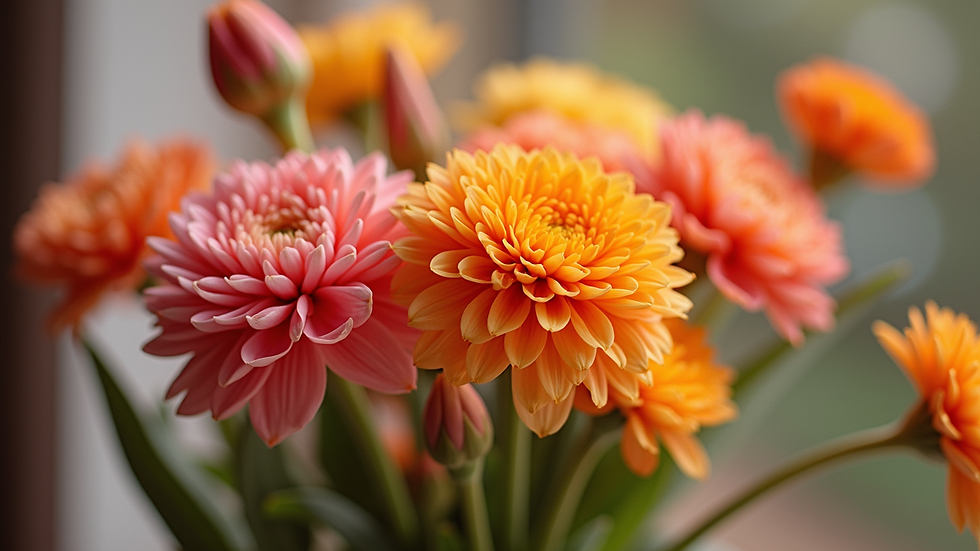
As you explore the world of floral still life, consider how these artworks speak to your own experiences. Whether you are an artist, a collector, or simply an admirer of beauty, there is much to discover in the delicate balance between life and decay. Embrace the opportunity to reflect on your own journey and the fleeting moments that make life truly beautiful.


Comments